
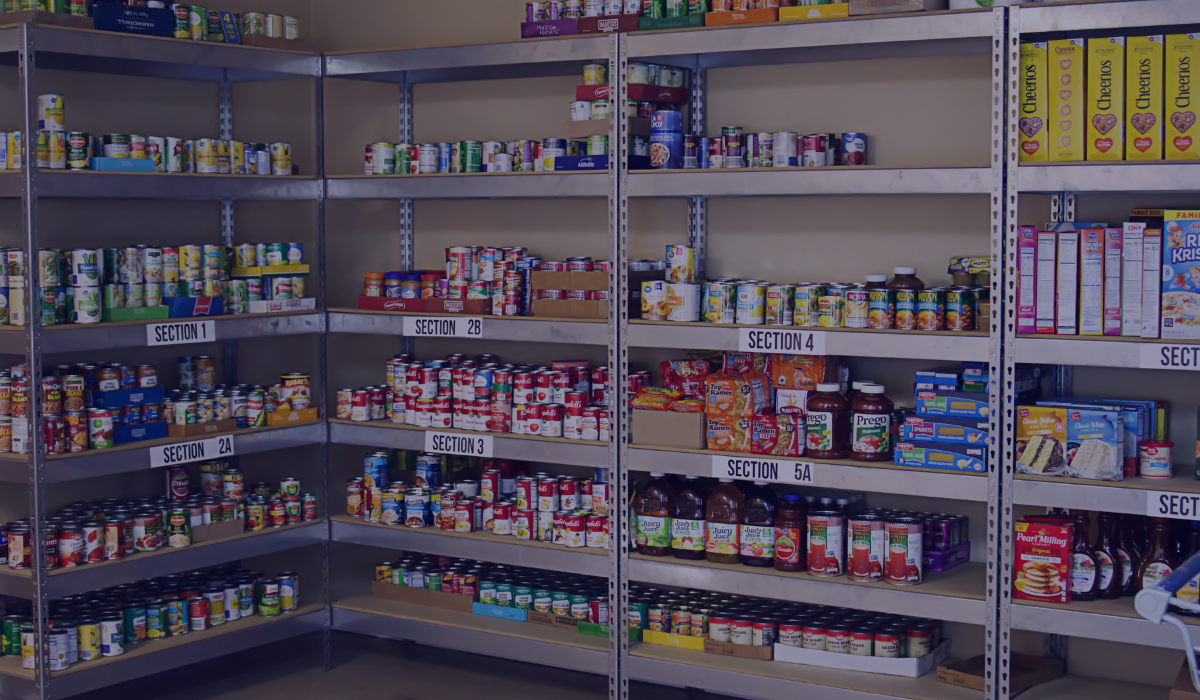
For a lot of people, the food bank shift or the Saturday at the shelter is about to carry more weight than it used to. Under the One Big Beautiful Bill Act, many adults on Medicaid and SNAP need to show about 80 hours a month of work, school, training, or volunteering to keep their benefits. Volunteer time only helps them if there is a reliable record of how they served.
That makes an ordinary volunteer log far more valuable than it used to be. Nonprofits now have a meaningful new way to support the people who show up for them, by making sure the time they give is recognized when it counts.
The short version of what changed
Working-age adults on Medicaid or SNAP who don't qualify for an exemption will need to show roughly 20 hours a week of activity. They can combine paid work, school, job training, and community service however they like. SNAP's expanded rules are already in effect in most states, and Medicaid's begin no later than January 2027.
For volunteering to count, it generally has to happen through an organized program at a nonprofit or public agency. States decide what proof they'll accept. There are exemptions for groups like parents of young children, pregnant people, and people with serious health conditions, so anyone unsure should check with their state agency.
Why the record matters as much as the hours
Picture a volunteer who has served every week since spring. At recertification, the caseworker asks for proof. Now the volunteer is calling a busy nonprofit coordinator, asking for a signed letter covering six months of dates, and hoping somebody kept the sheets.
Informal proof is fragile. Sign-in sheets get lost, letters get written from memory, and the coordinator who knew everyone moves on. For the volunteer, a gap in the paperwork can become a gap in coverage. For the nonprofit, every one of those letters is staff time pulled away from the mission.
Why GivePulse is built for this moment
For years, organizations have relied on GivePulse whenever volunteer hours need to be documented and confirmed, from universities tracking service-learning requirements to companies running employee volunteer programs. Verification has always been at the core of the platform, and it is exactly what nonprofits and their volunteers need now.
Hours confirmed by the people who were there.
Every record in GivePulse is verified directly by the organization where the service happened, and each one shows who verified it and when. GivePulse doesn't verify hours on anyone's behalf. That responsibility stays with the nonprofit, which is what makes the record credible to someone reviewing it. The verification process built into GivePulse not only ensures that all volunteer hours are legitimate, but also allows administrators to dispute logged hours and request additional information, such as reflections, pictures, and more, to provide digital proof of hours served.
Automatic on-site clock in/out.
In the GivePulse mobile app, nonprofits can enable geolocation to automatically clock in volunteers when they arrive on-site and clock out volunteers when they leave, automatically tracking the hours served and sending them for verification.
Captured in the moment, not rebuilt months later.
Volunteers can clock in and out on their phones, scan a QR code at the door, or check in only when they're on site. The record is created while the shift is happening, so nobody has to reconstruct it later.
A record that belongs to the volunteer.
A volunteer's history travels with them across every organization they serve with. When a caseworker asks, they can pull a service transcript themselves, without waiting on anyone. The service transcript includes everything from hours served, at what event, and with what organization. All in a clean, easy-to-read, and verified document pulled directly from the volunteer dashboard.
Less paperwork, not more.
Instead of writing individual letters, staff can verify hours in bulk or automatically at clock-out, and print a summary for any volunteer who needs help.
The same experience for everyone.
Someone documenting hours for benefits looks exactly like every other volunteer in the system. There is no separate process and nothing that marks them as different.
Custom verification questions.
Depending on your state's requirements, administrators can add additional verification questions, such as requiring volunteers to provide a reflection on their service or upload an image file. These additional required questions not only help administrators but also help volunteers provide tangible proof that they served with your organization when submitting hours to the state for Medicaid and SNAP benefits.
What this means for nonprofits
Volunteers who need documented hours will look for places that make it simple. Organizations that can offer a clean, verified record become the ones people seek out and stick with, and that means a steadier volunteer base. The same data also tells a stronger story about community impact to funders and boards.
There is a relationship to build with local agencies, too. Many counties and states will keep lists of approved community service sites. Being able to show a reliable verification process makes it easier to earn a spot on that list and to become a trusted partner in your community's safety net.
Getting ready on GivePulse doesn't take much: turn on mobile clock-in for your recurring shifts, name who will verify hours, and clear pending hours each month so volunteers aren't left waiting at deadline time.
What this means for volunteers
Serving through an organization that uses GivePulse means your hours are logged, confirmed, and ready when you need them. No chasing down hours, calling organizations, searching for some shred of proof you were there. Every hour, event, organization, and reflection is saved within your GivePulse account and accessible through an app on your phone. Log each shift, make sure it gets verified, and download your summary whenever your caseworker asks. If you're also working or in school, keep those records alongside it.
A note on what GivePulse does and doesn't do
GivePulse gives volunteers and organizations a verified, time-stamped record of service. It doesn't decide who qualifies for benefits or what a given state will accept. Rules will vary from state to state and may keep shifting as implementation gets underway, so volunteers should confirm requirements with their caseworker, and nonprofits should stay in touch with local benefits offices.
Get started
If you're a volunteer, you can create a free GivePulse account, find opportunities near you, and start logging hours today. If you run a volunteer program and want help setting up clock-in, verification, and reporting for this, schedule a demo with our team.
Helpful GivePulse guides
- How to Add an Impact
- Add Impacts for Groups Outside of GivePulse
- Impact Summary/Transcript
- Mobile Clock-In Scan QR Code
- Geo-Fencing: Mobile App Check-In
- Impact Verification
- Creating a Custom Add Impact Workflow
Policy sources
- CMS fact sheet: Medicaid Community Engagement Requirement interim final rule
- Federal Register: Community Engagement Requirement for Certain Individuals
- USDA: SNAP Work Requirements
A note on how this was made:
This blog is based on information gathered from government websites around changes coming to Medicaid and SNAP benefits on January 2027, to the majority of U.S. states requiring 80 hours a month of school, work, or service to receive benefits.
Additionally, GivePulse is committed to transparency in how we use AI. This article was created in part using AI, which helped synthesize content from various government webistes (cited above) about changes into a structured, accessible blog post. All content was reviewed, edited, and approved by our team. We believe using AI responsibly, and saying so openly, is part of walking the walk on inclusion.